
Blog
Expanding the Definition and Applicability of Sustainability: Trends and Challenges

Sustainability practices are good for the environment, good for the community and good for business.
Sustainability is an umbrella that provides space for protecting the environment but also is dedicated to sustainable communities and businesses. It is also related to the concepts of “livability and visitation,” serving a community and its residents and guests. More succinctly, a focus on environmental, social, and economic well-being is brought together under a sustainable approach.
Hospitality businesses representing an infrastructure for travel and tourism continue to embrace sustainable practices in diverse business functions and applications. As part of these efforts, hospitality operations are stewards of their structures and spaces. Additionally, sustainability principles are applied to multiple functional areas such as supply chain management, construction, engineering, accounting, finance, technology, and human resources (HR). For example, HR sustainability demand is for a qualified and educated workforce that needs to be knowledgeable about sustainability, ESG practices and responsible development.
The Challenge of Sustainability
What catalysts or series of catalysts have brought sustainability to the forefront in businesses everywhere? Climate change is driving the world’s agenda. Business leaders everywhere are wrestling with how to respond to rising public and political pressure and align their systems and operations with the goals of the Paris Climate Agreement. Managing climate change, concern for clean water sources, rising temperatures, and overall competition for nature and its preservation and conservation, versus ongoing development of space(s) under the premise that more is better, sometimes it is just more.
It is essential that hotel managers find ways to keep on top of sustainability trends in the hospitality industry , not only because it’s a moral imperative but it makes good business sense. Consider sustainability as a non-negotiable standard , that is focusing on carbon neutrality, circular economy practices, water conservation, and biodiversity preservation.
For example, our National Parks represent benchmark exemplars of ecosystems that struggle with access and hospitality infrastructure issues daily. One theory is that sustainability is the progression of a process that has a sustainability goal, with the framework of a circular economy in hospitality , emphasizing reusing, repairing, and recycling products to extend their life cycle. Added to that thought process are the specific approaches of preservation and conservation and more tactical objectives utilizing eco-friendly practices and zero waste hospitality industry models.
For example, a zero waste hospitality action plan focuses on four fundamental principles: reduce, reuse, recycle, and rethink. The layering and applicability of these sustainability efforts will help hospitality create a sustainable hospitality and tourism operating model. Noting that sustainability is no longer an optional consideration for the hospitality industry, it is a business imperative.
Sustainability in Action
Sustainable hotels have goals on reducing energy consumption, water usage and waste generation. As part of their sustainability efforts “good for the community” they also emphasize sourcing locally produced goods and organic food, which decreases carbon emissions associated with transport and supports local businesses. Additionally, eco-friendly hotels go beyond recycling bins in the lobby and offer refills for your water bottle, they have comprehensive approaches to sustainability, implementing practices that minimize harm to the environment and have a positive impact on local communities and residents. Sustainability has become a driving force in the hospitality industry, with hotels embracing new strategies to reduce their environmental impact. That is: Hotels: cleaner, greener, and more responsible are implementing:
- Adoption of renewable energy sources
- Eco-conscious hotel construction and design
- Water conservation and management
- Waste reduction and circular economy practices
- Sustainable food and beverage practices
- Eco-friendly housekeeping and laundry programs
- Eco-friendly hotel furnishings and décor
- Community engagement and responsible tourism
- Green certifications and sustainability reporting
- Tech-driven sustainability in guest experience
These concepts also mean emphasizing waste management systems that achieve thoughtful design and sustainable operations. Additional strategies to achieve the goals to reduce waste could include, sustainable sourcing and waste-reducing procurement, technology-driven solutions for waste reduction, composting and food donation programs, and energy-efficient systems and water-saving technologies.
Just Get Started
Sustainable solutions for hotels are the practical sustainability solutions that hotels can implement to minimize their environmental impact and guide their journey towards net zero via energy efficiency, renewable energy sources, and water usage. Practical applications can include installing water meters and submeters and using water-saving tools. Additionally, training and education for management and staff will support guest awareness. Tactics can include going with plastic-free amenities and refillable toiletries and focusing on locally sourced products for food and beverage outlets. The three-pronged efforts of sustainability is inclusive of environmental responsibility , social responsibility and economic viability.
Implementing sustainable practices is a big task. Planning in hospitality businesses should consider energy management, waste reduction, and other sustainability technologies that are gaining adoption because they reduce operating costs while meeting guest expectations. If you as an operator and do not know where to begin, “Just Start.” Take on the process of becoming a sustainable hotel by steps and break it into doable parts. For example, LED retrofits and smart controls in high usage areas can be implemented efficiently.
Also, the integration of dashboards for energy and water can illustrate that visibility on consumption drives behavior change and investment prioritization. Operators can do this while also tracking electricity and water use and continuing to measure guest satisfaction at a modest cost. For example, sustainability and wellness are sources of cost savings and guest preference.
The sustainability of hotels and hospitality has some challenges. The spectrum of categories, econ-friendly, green efforts, conservation efforts, preservation actions can make sustainability a hard sell for upfront costs. Cost issues can be discussed including supply chain and the availability of products, as well as the increasing costs of operating businesses. The argument for sustainability is that we are in this for the long term and must continually progress to economic sustainability. Sustainable standards can translate into environmental regulations and as noted previously, create challenges and changes across the board for sustainable business functions. We need to rise to the challenges and embrace sustainable hospitality and tourism business.
Sustainability Expanding Across Business: Supply Chain, Construction, Accounting & Finance, Technology
Sustainability as a practice is a tool to protect the environment via sustainable practices, such as improving energy efficiency, mitigating carbon emissions and solid waste, and improving the well-being of their guests and staff through various corporate social responsibility (CSR) initiatives. These actions are all tied to construction planning and implementation for building projects.
Some sustainable hospitality construction trends include Sustainability and Wellness: Green Practices, Technology and Smart Features, Flexible and Multifunctional Spaces, Repurposing Historic Buildings to create unique experiences and Biophilic Design: Incorporating natural elements and textures. Additionally, construction supply chain management (SCM), is important topic that refers to the management of complex systems. Sustainable supply chain management (SSCM) is an overarching strategy that aims to incorporate sustainable practices throughout the entire supply chain.
Looking forward to 2026, sustainable accounting will be heavily influenced by evolving regulatory requirements, such as new assurance standards, and an increased strategic focus on the business impact of nature and climate-related risks. The profession is shifting from viewing Environmental, Social, and Governance (ESG) reporting as a simple compliance task to a core business strategy that drives long-term value.
Also, sustainable finance trends for 2026 will be driven by increased regulatory demands, higher data standards, and the need to finance real-world transitions and climate adaptation. Geopolitical tensions and economic uncertainty will also reshape market boundaries, forcing a re-evaluation of what is considered a “sustainable” investment. Looking to 2026 sustainable technology trends will focus on Green AI, advanced climate tech, a deeper integration of the circular economy, renewable energy innovation (like green hydrogen and advanced solar), sustainable agriculture, and transparent, resilient supply chains. These trends illustrate the explosion of sustainability and as a practice becoming a core business imperative.
These efforts, driven by evolving regulations, consumer demand for eco-friendly products, and the economic necessity to optimize resources, can be presented as the steps for achieving sustainability leadership. Sustainability has progressed to the stage in business where standards will be in place and hospitality and other businesses will pursue the channels to align with them.
Standards for Sustainability
Sustainability Standards for Eco-Friendly Hotel Goals – Combined with Eco-Friendly Hotel Trends, might include:
- Net-zero and carbon neutral hotels inclusive of: Regenerative travel and the future of green hotels combined with ethical and wellness experiences through carbon-neutral stay. Regenerative travel seeks to leave destinations better than they were before. Guests will be offered holistic guest journeys with meditation, yoga, healthy food options, and sleep-enhancing rooms.
- Biophilic design: Green hotels are integrating sustainable architecture and biophilic design, which emphasizes natural light, open spaces, and indoor greenery.
- Circular Economy and Zero-Waste initiatives: focusing on waste reduction and recycling.
- Smart technology for energy efficiency: AI and IoT will optimize energy use, manage waste, personalize guest experiences, and improve operational efficiency.
- Sustainable dining and farm-to-table practices: This has been around for some time but needs a broader appeal.
- Water conservation and sustainable pool technologies.
- Eco-tourism, biodiversity initiatives, and conservation partnerships: partnerships can be a great approach to engaging an entire community in sustainability.
- Ethical and sustainable guest experiences: get the guest involved and participate in an evolving sustainable experience.
- Certifications and green branding: LEED , focuses on energy and water conservation, Green Key : recognizes hotels for energy and water savings, noting environmental responsibility. The EarthCheck Approach : environmental related commitments to sustainability, and Breeman Assessment : energy use, materials, and waste management.
Your task as a hospitality operator or owner will be to write smart goals . That are, specific, measurable, achievable, relevant and time bound. These trends, transformed into potential sustainability standards, need a set of defined metrics and integrated reporting systems to yield the highest and best uses of sustainable practices and results.
Benchmarking Sustainability
Top Trends in Environmental, Social, and Governance (ESG) and Customer Experience (CX) 2026 will highlight when sustainability meets experience. ESG and CX will intersect in 2026, shaping how brands earn trust, loyalty, and long-term growth. The hotel brands leading the way include:
- Marriott International –The company focuses on reducing its environmental footprint and enhancing community well-being. Reducing carbon footprint, energy-efficient technologies across its hotels and water conservation and waste reduction are key.
- Hilton Worldwide – Hilton has been a pioneer in sustainable hospitality through its “Travel with Purpose” initiative. The company invests in renewable energy and energy- efficient technologies. Through its sustainable sourcing, Hilton emphasizes responsible sourcing, ensuring that its food and beverage offerings feature sustainable ingredients.
- Accor Hotels – Accor is committed to sustainability through its “Planet 21” initiative, which focuses on four key areas: employment, food, environmental protection, and innovation. Green certification is among some of Accor’s noteworthy practices.
- Hyatt Hotels Corporation – Hyatt is dedicated to sustainability through its “Hyatt Thrive” program, environmental stewardship, community engagement, and responsible sourcing. Waste management is among Hyatt’s key initiatives.
- InterContinental Hotels Group (IHG) – IHG is committed to sustainability through its “IHG Green Engage” system, which helps hotels manage their environmental impact. Introducing water-saving initiatives, low-flow fixtures and rainwater harvesting systems.
These five hotel brands are demonstrating that the hospitality industry can thrive while being environmentally responsible, and supportive of communities and businesses. Your homework is to find their sustainable mission statements, policies, and practices. Look up their activities, brand-wide efforts, and all things sustainable and what might work for you. That is, imitation is the sincerest form of flattery. See what the leaders are doing and use it.
Highlighting hotel sustainability and value , the following hotels are a sample of properties leading the way in the United States. It is noteworthy that these are a combination of branded and independent properties, urban, suburban and resorts noted by Trip Advisor .
- Bryant Park Hotel , NY, NY.
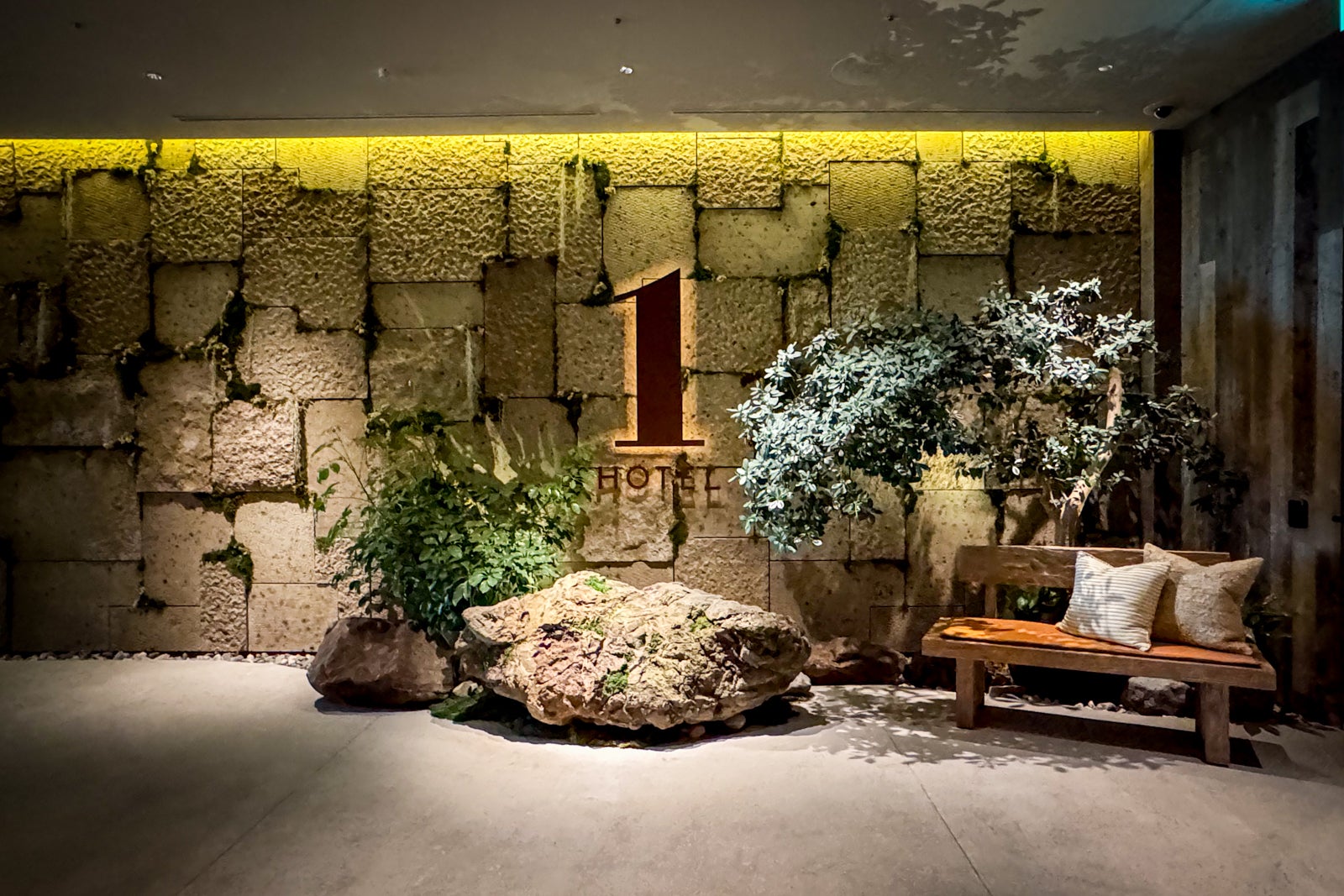
- 1 Hotel South Beach, Miami Fla.
- The Dagny Boston , Boston, Mass.
- Lago Mar Beach Resort & Club , Ft. Lauderdale, Fla.
- Hampton Inn Orlando/Lake Buena Vista , Fla.
- Hotel Commonwealth , Boston, Mass.
- The Verb Hotel , Boston, Mass.
- Bar Harbor Motel , Bar Harbor, Maine.
- HarbourView Inn , Charleston, S.C.
Given these properties, your research should include exploring their websites and virtual spaces and noting what they do to earn their reputation and benchmark ideas and practices that can be applied at your hotels. If you can visit their properties, it’s even better. Additionally, under the heading of the world’s most sustainable hotels: stay in eco-friendly style , here is a sample of the global sustainable and eco-friendly hotel leaders .
Finally, another listing of the world’s most sustainable hotels for eco-friendly holidays these destinations are some that stand out globally.
To reiterate, the idea in sharing these links is to benchmark properties and brand leaders. Benchmarking is the process of measuring products, services, and processes against those of organizations known to be leaders in one or more aspects of their operations. Hotel leaders and researchers following up on these links and properties could create and apply metrics, and apply ideas and innovations discovered in their benchmark case study research and analyze data collected on how and why these properties have earned their reputation. Benchmarking is a strategic research practice to identify ideas and action plans that may fit your hotel(s), your communities, your businesses, and your guests. Researchers should keep in mind the locations, destinations, and the environmental, economic, and societal data where these properties are located for optimal sustainable success.
Going Forward
As sustainability practices expand over functional business areas it will continue to increase its value, and reporting will help to document its successes in the business community. While we focus on hospitality and tourism in general it is a reminder that we (hospitality and tourism) are a critical and pivotal business leading the way in sustainability for the service sector.
Also, travelers are more conscious of tourism’s impact on communities and the environment . For livability and visitation successes at destinations, there is a need for an awareness of tourism concerns by residents that are inclusive of traffic congestion, littering, overcrowding and capacity management and the rising cost of living. Also note that livability and visitation as previously discussed, also suggests the concept of carrying capacity . The question could be, at what point are there too many people at a destination or at an attraction or any location? The location’s carrying capacity, which in a visitation or destination sense is the optimal number of visitors that a destination, attraction, or location can host, and provide services and resources for both residents and visitors.
The concept of more is better, becomes overwhelming when there are just too many people. Think about Disney World , which sets a capacity limit and at that point they do not allow any additional visitors. The exact number is not officially released but estimates have been that 100,000 guests are close to their carrying capacity. Sustainable tourism and hospitality mean that the business of tourism and hospitality provides a positive experience and is available for residents and guests. Communities and its businesses need to know when to say “when!”
Fall 2025 news reports (note Venice, Italy ) have highlighted over-tourism in multiple cities around the world and the struggles created by the demands of visitors and the needs of the local community and the environment(s) they live in. Collaborating with a community can mean understanding the needs of residents therefore, resident needs can translate to improved communications, waste management efficiency, and environmental conservation.
The Green Hotel of the Future
Hotels like Proximity in Greensboro, North Carolina were built as sustainable hotels. It was in their planning, and they were one of the leaders in LEED hotel certification. Other hotels are not built with sustainability in mind, which is many existing properties, and these are renovating and retrofitting structures to do the best sustainability job they can. Per the previous paragraph and earlier discussion, sustainability standards, will be embraced as community and construction standards of the future. Additionally, there is also a theory that a focus on sustainability can also help you attract the best talent and team members who are aligned with your strategic goals as a business. That could be a great sustainability benefit.
To wrap up this discussion, as sustainability continues to mature and evolve new requirements like the Corporate Sustainability Reporting Directive (CSRD), SEC Climate Rule, and International Sustainability Standards Board (ISSB) will create policies and standards that will become part of the sustainability reporting systems. For example, Forrester, a consulting company created a report, Accelerate Value Creation with Assured Integrated Reporting , that highlights the integration of sustainability information within annual financial reports.
Some of their key findings include, Communicating value, Integrated reporting, Invest in New technology and Enhanced Platforms will be needed to better integrate and optimize sustainability and financial reporting including, financial and ESG reporting, audit, and risk to improve oversight over reporting inputs, build confidence in reporting outputs, and create readiness for third-party assurance. To align with this wave of sustainability, have a metrics and reporting plan in place for your sustainability practices.
At a conference this fall attendees heard more about sustainability synergy . Hospitality operators, managers, and decision makers are realizing that achieving operational excellence requires more than just individual effort—it takes true teamwork. A panel of experts shared, “Sustainability has become a necessary business strategy that’s about smarter operations, stronger partnerships, and a sharper bottom line.”
Sustainable tourism and hospitality directly support the 17 UN Sustainable Development Goals noting, 4; Quality education, 6; Clean water and sanitation, 8; Decent work and economic growth, 12; Responsible consumption, 13; Climate action, and 17; Partnerships for the goals. Sustainability is trending, current, and innovative and it is also the future. Everyone should get onboard and work towards being the industry of sustainable leadership!
Reprinted from the Hotel Business Review with permission from www.HotelExecutive.com.